
The difference between children raised primarily by parents and those raised in daycare centers can vary depending on various factors, including the quality of care, the home environment, and individual child needs. However, some general distinctions are often noted:
1. Attachment and Bonding
– Raised by Parents: Children may develop a stronger emotional bond with their parents, as they spend more time together. This can contribute to secure attachment, which is linked to better emotional regulation and social development.
– Daycare Centers: While children in daycare may still form secure attachments with their caregivers, the bond with parents might be slightly different due to the time spent apart. However, high-quality daycare can still support healthy emotional development.
2. Socialization
– Raised by Parents: Children might have fewer interactions with peers if they are primarily raised at home, especially if there are no siblings. Social skills might develop more slowly unless the parents provide ample opportunities for interaction with other children.
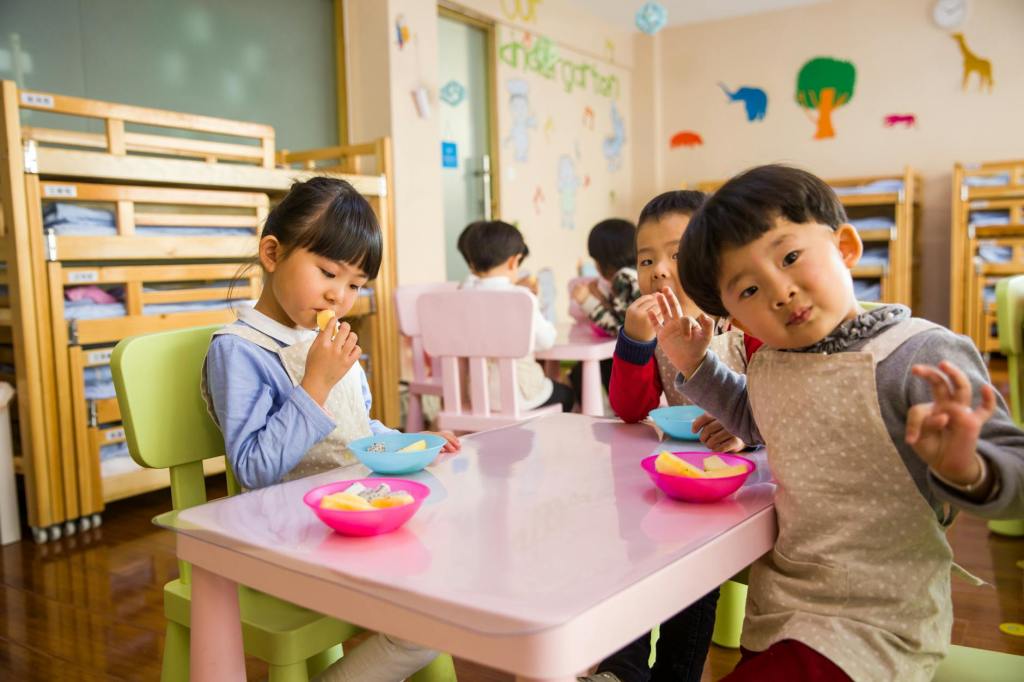
– Daycare Centers: Children in daycare are typically exposed to a group setting early on, which can enhance their social skills, including sharing, cooperation, and communication with peers.
3. Cognitive and Educational Development
– Raised by Parents: Parents who are engaged and provide stimulating activities can foster strong cognitive development. However, this depends heavily on the resources and time the parents can dedicate.
– Daycare Centers: Many daycare centers offer structured educational activities that can promote early learning. The exposure to different learning materials and activities can contribute to cognitive development, but the quality of care is crucial.
4. Routine and Structure
– Raised by Parents: The daily routine may be more flexible, which can be beneficial for some children but might lead to less consistency. The child’s schedule may revolve around the parents’ routine.
– Daycare Centers: Daycare centers often have structured routines, which can help children develop a sense of time, predictability, and discipline. This structure can be beneficial, especially when transitioning to school.
5. Health and Immunity
– Raised by Parents: Children may be exposed to fewer germs and illnesses if they are at home most of the time. However, this might lead to a weaker immune system when they eventually start school.
– Daycare Centers: Children in daycare are often exposed to more germs, leading to more frequent illnesses in early years but potentially stronger immune systems later on.
6. Parental Involvement
– Raised by Parents: Direct parental involvement can lead to more personalized care and attention. Parents can adapt care to their child’s specific needs and preferences.
– Daycare Centers: While daycare providers can offer quality care, they might not always be able to cater to individual needs due to the number of children. However, parents who use daycare might focus more on quality time during evenings and weekends.
7. Independence and Adaptability
– Raised by Parents: Children might become more dependent on their parents and may take longer to develop independence, depending on the parenting style.
– Daycare Centers: Children in daycare often learn to be more independent at an earlier age. They may also become more adaptable to new environments and situations.
8. Cost and Economic Impact
– Raised by Parents: One parent may need to stay at home, leading to a potential loss of income. However, this might be offset by the reduced cost of childcare.
– Daycare Centers: Daycare can be expensive, but it allows both parents to work, potentially increasing household income. The quality of daycare often correlates with its cost.
Both approaches have their benefits and challenges. The key is finding a balance that works best for the family’s circumstances and the child’s needs.




 Brainy Woman
Leave a Reply